Bonan Ethnic Group
Introduction
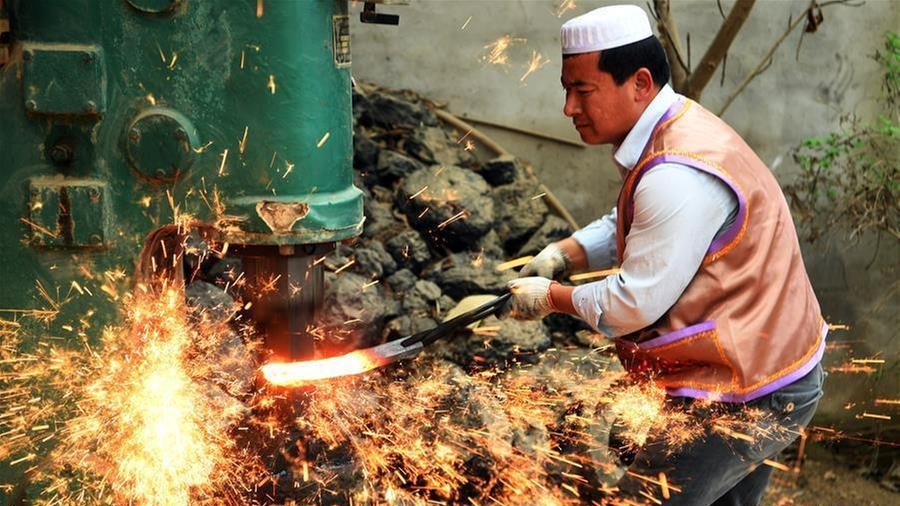
The Bonan ethnic group, a small ethnic group in China, is renowned for its unique cultural and historical identity. Predominantly residing in the northwestern regions of Gansu and Qinghai provinces, the Bonan people have preserved their traditions, crafts, and lifestyle despite social and economic challenges. This group is particularly known for its historic skills in forging Bonan swords and its rich tapestry of cultural practices that continue to distinguish them in contemporary times.
History
The Bonan ethnic group has a storied history that dates back several centuries. Initially, they were believed to have migrated from other regions of China, settling in their current locations in Gansu and Qinghai provinces. Over the years, they developed a distinct cultural identity, influenced by their interactions with neighboring ethnic groups and their integration into the broader Chinese society. The Bonan people are historically noted for their craftsmanship, particularly in sword-making, a skill that was once vital for defense and survival. This craftsmanship was recognized as a national intangible cultural heritage in 2006, reflecting the group's longstanding contribution to Chinese cultural history.
Culture
The culture of the Bonan ethnic group is rich and diverse, characterized by their language, traditional dress, festivals, and artistic crafts. Their cultural practices have been largely preserved through oral traditions and are regularly showcased during traditional ceremonies and festivals.
Language
The Bonan people speak the Bonan language, a member of the Mongolic language family. Owing to their historical interactions with neighboring communities, many Bonans are also bilingual, often speaking Mandarin or other regional languages. The Bonan language is a vital component of their cultural identity and has been passed down through generations, although it faces challenges of preservation in the modern era due to sociolinguistic changes.
Traditional Clothing
Traditional attire is a significant marker of Bonan cultural identity. Men typically wear long gowns, while women often don colorful embroidered dresses adorned with intricate patterns. The embroidery reflects the Bonan people's artistic skills, with motifs that often carry cultural and symbolic meaning. These garments are worn during festivals and important cultural events, showcasing the group's rich heritage and aesthetic sensibilities.
Festivals
The Bonan ethnic group celebrates several traditional festivals that are integral to their cultural fabric. These festivals often involve communal gatherings, traditional music, dance, and the preparation of special foods. Such celebrations offer the Bonan people an opportunity to reaffirm their cultural identity and to pass on traditions to younger generations. They serve as a vibrant expression of the Bonan's social life and cultural continuity.
Economy
The economy of the Bonan ethnic group is traditionally based on agriculture, livestock rearing, and artisanal crafts, particularly sword-making. The Bonan swords, recognized for their craftsmanship, have been an important source of income and cultural pride. In recent years, efforts have been made to modernize and diversify the Bonan economy, promoting their crafts as cultural products and integrating them into broader markets through e-commerce platforms. This has not only helped preserve Bonan traditions but also offered new economic opportunities for the community, contributing to poverty alleviation and improved living standards.








